Electronic Product Design and Development

Our electronic product design and development service takes a product from first schematic through to production, engineering the electronics alongside the mechanical design, enclosure and manufacture, all from the same in-house team. That matters because electronics rarely fail on their own: they fail because the enclosure trapped heat, the mechanical fit was wrong, or the user interface didn't match how the product is actually held and used.

Book a call with one of our design engineers to talk through your product.
Let's get talking
circuit board

Electronics engineered as part of the product

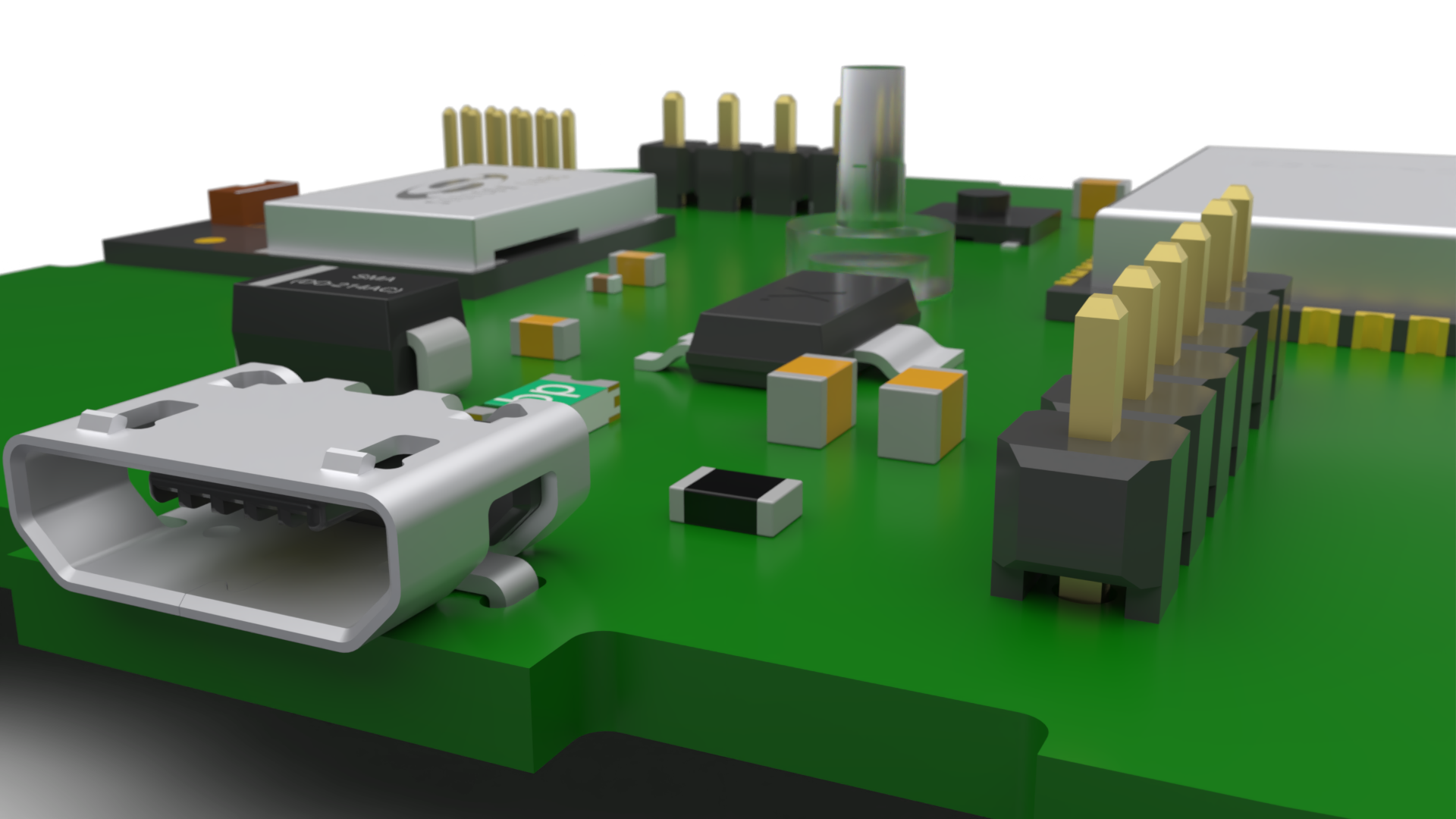
Bringing electronics and physical design together is where the real integration work happens. Electronic components interact constantly with mechanical design, thermal management and user interfaces, and treating those as separate problems is how products end up with a circuit board that overheats in its enclosure or a battery compartment nobody can actually reach. We design electronics alongside the rest of the product so it functions properly and delivers the experience it's supposed to.

How 4D approaches electronic product design

Three things shape how we handle a project, from first schematic through to production.

Component selection built around performance and cost

We select and optimise each component, from microprocessors to sensors, so every part earns its place on performance and cost. That level of detail is what makes the difference between an electronic solution that's reliable and efficient and one that technically works but costs more or fails sooner than it should.

Designed for manufacture from the first schematic

We think about manufacturability from day one. That means detailed documentation, assembly processes considered early, and close work with manufacturers so your electronic product can be produced efficiently and consistently. Catching an assembly or sourcing problem at this stage avoids costly revisions once production has already started.

Working alongside your team and your industry knowledge

We work directly with your team, combining our electronic design expertise with the industry knowledge you already have. That partnership is how complex problems get solved faster: regular communication and feedback keep the project on track, and your knowledge of the market shapes decisions we wouldn't make in isolation.

Electronic product design in practice

Three products where getting the electronics right meant getting the whole product right.
A modular device that had to stack in towers of up to five units, with thermal performance holding up whether units were stacked or used independently. We worked from quick concept sketches through to detailed 3D CAD and prototyping, keeping continuity with a smart camera enclosure we'd designed for ARM previously while solving for a genuinely different thermal problem.
A web-connected camera needing an enclosure to house a Raspberry Pi, camera module, IR LEDs, power circuit, status LEDs and a light sensor, all while allowing tilt adjustment for different installation heights. One of the harder problems was creating a uniform circular light pipe from a cluster of individual LEDs, solved through prototyping and testing fit and function as the internal requirements evolved.
A sensitive electronics assembly for a breast-scanning device, housed in a Faraday-shielded enclosure built to EN 60601 from the outset. Compliant working prototypes were ready within 12 weeks of briefing and went straight into NHS trials, because the electronics, the shielding and the standard were designed together from day one.
To talk through the electronics behind your product, get in touch with our team, or learn more about us, our team and our values.

The expertise behind our electronics work

Electronic product design draws on the rest of our product development work. The same in-house team covers:
We apply this across the sectors we work in, from industrial and medical to sports and fitness and consumer products.

What our clients say

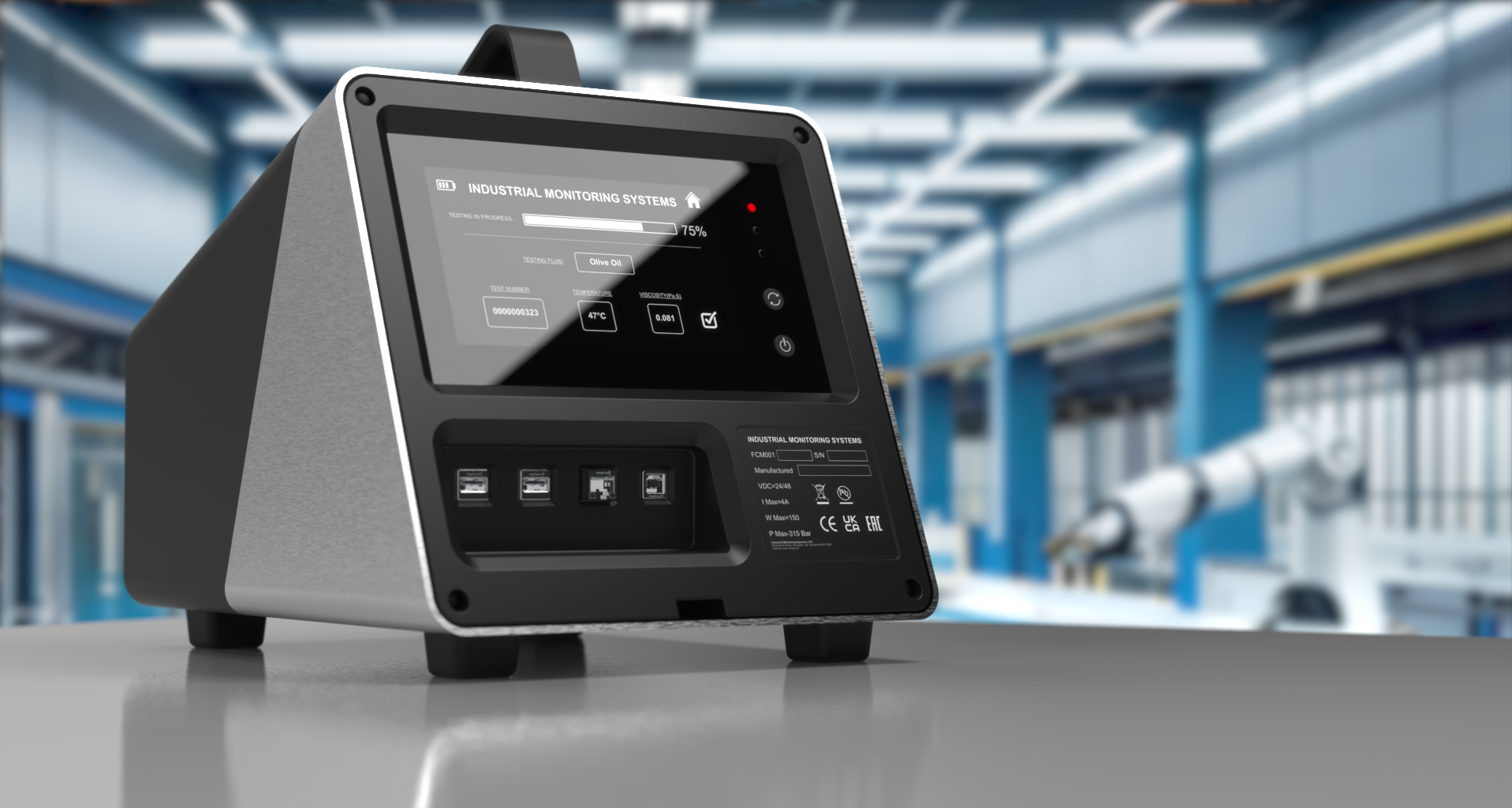
"After researching multiple UK design firms, we chose 4D Products for their strong track record in high-quality, low-volume industrial enclosures. Their friendly, knowledgeable team gave us confidence from the start.

Working with 4D has been a pleasure—they fully understood our needs and exceeded expectations. We're grateful for their expertise and commitment, and look forward to future collaborations."
David Armstrong
IMS - Managing Director

Electronic product design FAQs

Do you offer CE and UKCA marking support?

Our design process will always take CE and UKCA requirements into consideration; however we can work hand in hand with external test houses where formal testing and certification is required for your product.

Is this electronic design service right for my business?

If you're bringing a new electronic product to life or improving an existing one, this is what we do. We work with businesses of varying sizes across our core sectors, industrial, medical, sports and fitness, and consumer products, tailoring the approach to what the product actually needs.

How do you approach electrical safety in a design?

From component selection onwards. We think about isolation, thermal management and current paths from the earliest design stages, and we work with accredited external test houses to validate designs where formal testing is required. Considering safety early is what avoids costly late-stage redesigns.

Do you support the move from prototype to full production?

Yes. We think about production requirements from the prototype stage, working with manufacturing partners to keep the design intact as it moves to volume.

What quality standards do you work to?

We hold ISO 9001:2015 certification, so our process is documented and checked at every stage. For medical device projects specifically, we typically work inside a client's own ISO 13485 system.

Do you handle the electronics and the enclosure or mechanical design together?

Yes, and it's usually where the real problems get solved. Electronics, enclosure and mechanical design all affect each other, thermal behaviour, fit, assembly, so we design them as one product with one team.