Mechanical Engineering Design Services

A design that works on screen and a mechanism that holds up under real use aren't automatically the same thing. Our mechanical engineering design services close that gap: we engineer for how a product will actually move, load and wear, then test it against real conditions before it ever reaches a manufacturer.

Book a call with one of our design engineers to talk through your product.
Let's get talking
MECH ENGINEERING 2

Why mechanical engineering is a testing discipline, not just a drawing one

Most mechanical failures don't show up in CAD. They show up in service, once a part has been loaded, heated, cycled or knocked around in ways a screen doesn't fully capture. We run stress, thermal and fatigue analysis, including FEA simulation, to catch how a design behaves under load before it's built. Then we test physical prototypes for durability, functionality and safety, because simulation tells you what should happen and testing tells you what actually does. Both matter, and neither replaces the other.

How 4D approaches mechanical engineering design

Three things shape how we handle a mechanical design, from first concept through to a product that survives daily use.

Engineering for how components actually interact

A mechanism is only as good as how its parts work together. We look at component interaction, movement and mechanical loads as a system, analysing stress points and material behaviour to build something that performs consistently, test after test.

Proven through simulation and physical testing together

FEA tells you where a design is likely to fail. Physical testing tells you whether it actually does. We run both: simulation to catch problems early and cheaply, then durability, stress and operational testing on real prototypes to confirm the design holds up outside the model. That combination is what separates a mechanism that's been engineered from one that's simply been drawn.

Reverse engineering to improve what already exists

Not every project starts from a blank page. Where a product already exists, we analyse its structure, function and systems to understand what's working, what isn't, and where there's room to improve performance, cut cost or refine manufacturability. It's often a faster route to a better version of something already proven.

What our clients say

"We've worked together with 4D Products on a number of projects and every time they've exceeded our expectations of what we'd imagined.

Our industry moves quickly, so having a design partner like 4D who knows the market is huge. As suchm the X17 machine has enjoyed strong sales globally. And the powerful DCX and featherlight Air versions followed soon after."
Stephen Heap
Managing Director

Mechanical engineering in practice

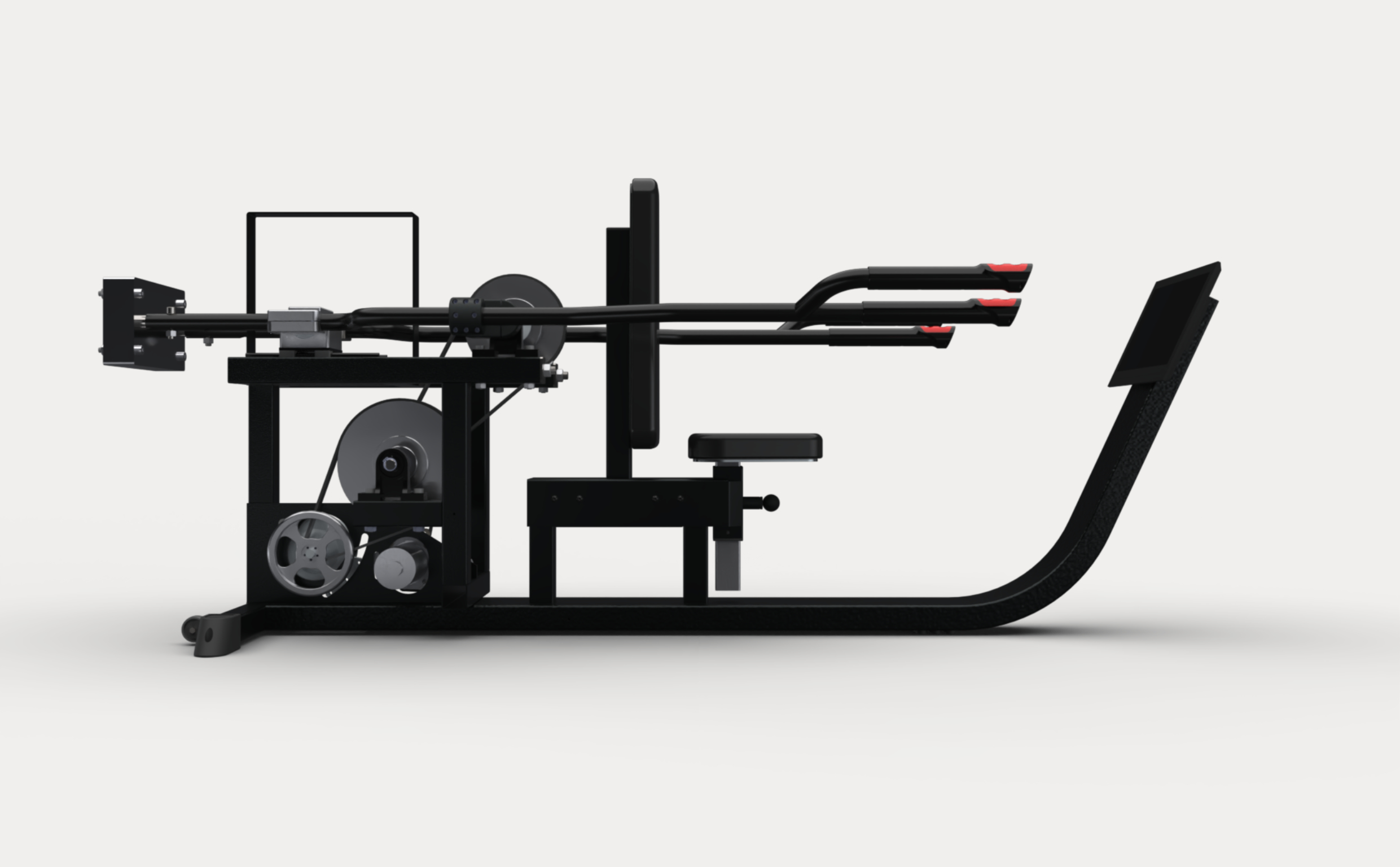
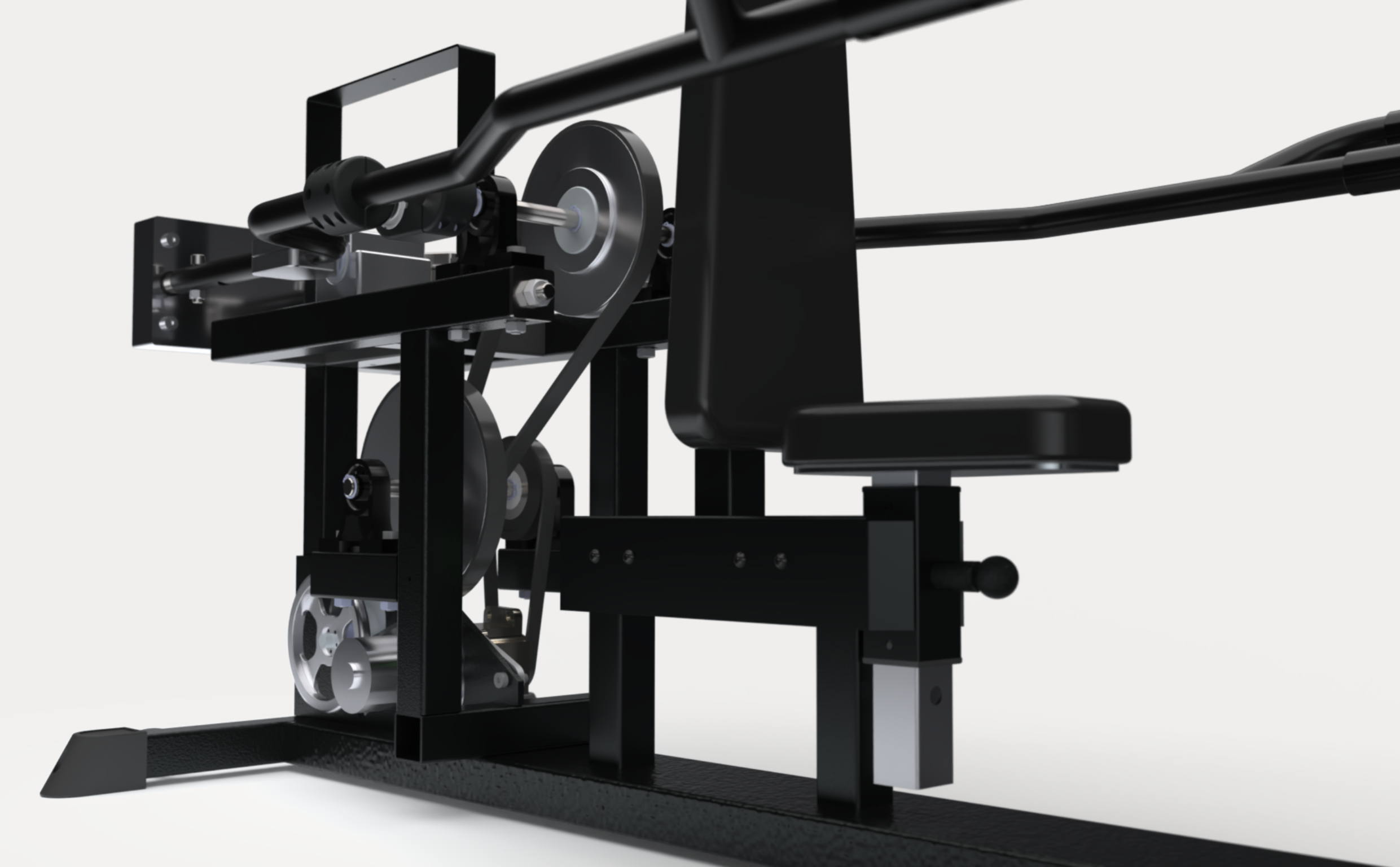
Three mechanisms where getting the engineering right mattered as much as getting the concept right.
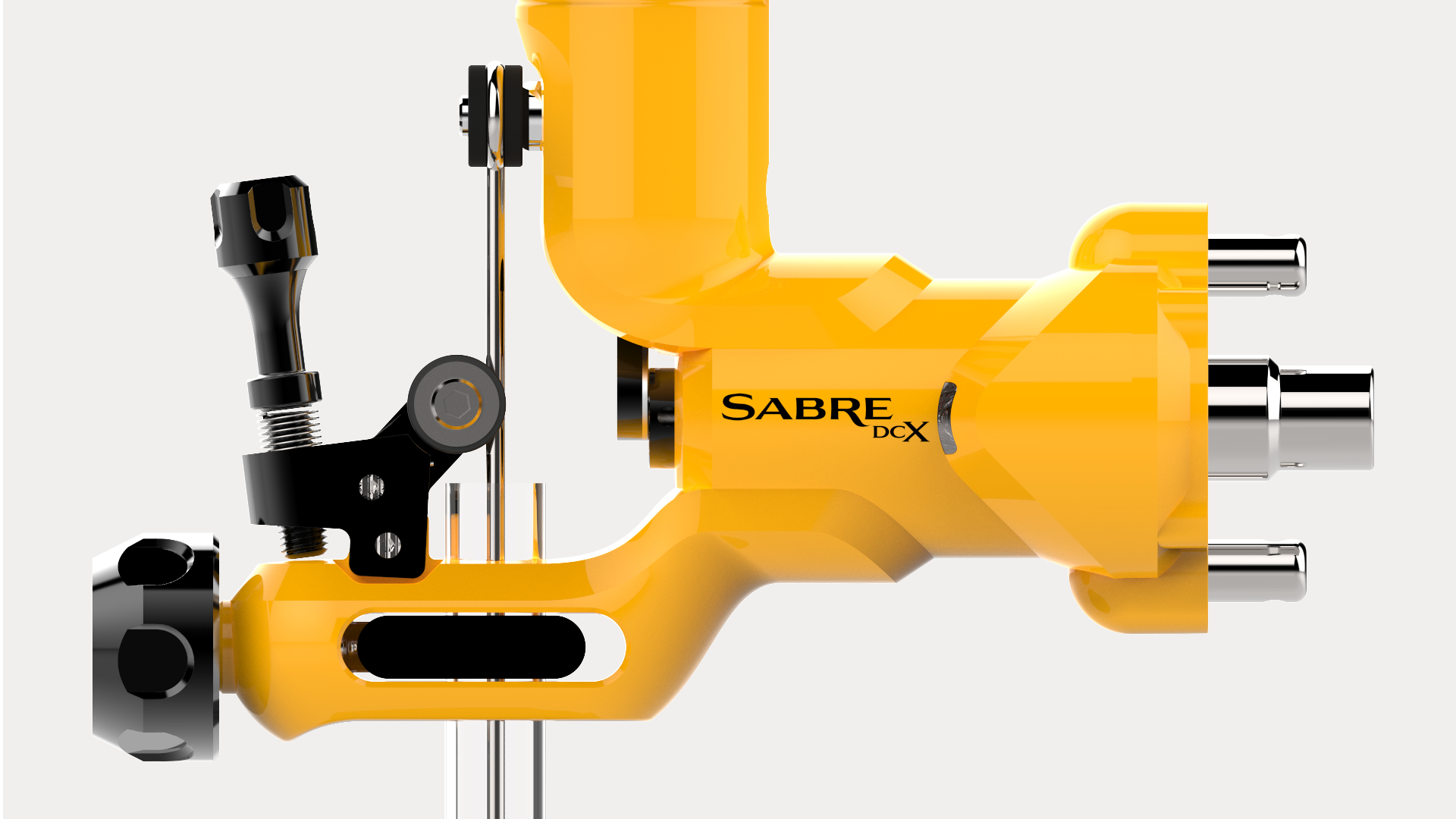
A precision rotary tattoo machine, with adjustable stroke length and needle depth inside an ergonomic body built to reduce hand strain. Getting the tolerances and fit right in a moving assembly like this is what let it compete on precision and reliability. Managing Director Stephen Heap credits the partnership with strong global sales across the range, with the DCX and Air versions following soon after the original.
An espresso machine has to survive real mechanical stress: heat, pressure and a pump mechanism working in a compact housing, all engineered to a tight deadline into the HOST exhibition in Milan. We took the Aston Espresso machine through refinement, 3D modelling and rapid prototyping so the mechanical build matched the ambition of the brand it carried.
To talk through the mechanical engineering behind your product, get in touch with our team, or learn more about us, our team and our values.

The expertise behind our mechanical engineering work

Mechanical engineering draws on the rest of our product development work. The same in-house team covers:
We apply this across the sectors we work in, from industrial and medical to sports and fitness and consumer products.

Talk to us about your product

If you need mechanical engineering that's been tested against reality, we can help. Book a call with one of our design engineers to talk through your product and where the engineering will matter most.
MECH ENGINEERING

Mechanical engineering design FAQs

Do mechanical engineers do product design?

Yes. Mechanical engineers bring the technical expertise that makes sure a product is manufacturable as well as functional, turning a concept into something that actually works as intended once it leaves the screen.

What's the difference between mechanical engineering and product design engineering?

Mechanical engineering focuses on the technical and structural side of a product: how it moves, how it withstands forces, how it holds together. Product design engineering combines that technical grounding with aesthetics and user experience, so the result is functional and something people actually want to use.

How do you validate a design before it goes to tooling?

Through a combination of simulation and physical testing. FEA and stress analysis catch likely problems early, while prototype testing under durability, stress and operational conditions confirms the design holds up under real conditions.

Can you improve on an existing mechanical product?

Yes. We use reverse engineering to analyse an existing product's structure and function, then identify where performance, cost or manufacturability can be improved. It's often faster and lower-risk than redesigning from a blank page.

Do you handle electro-mechanical products, where mechanical and electronic design have to work together?

Yes. Several of our projects combine mechanical and electronic engineering in the same product, and we handle both in-house so the two are designed together from the start.