User-Centred Product Design

Our user-centred product design service builds products around research, prototypes tested with real users, and designs changed because of what that testing shows. That matters because most products fail their users in ways good intentions alone can't catch: a control nobody finds intuitive, a feature nobody actually needed, a journey that looks fine on a wireframe and falls apart in someone's hands.

Book a call with one of our design engineers to talk through your product.
Let's get talking
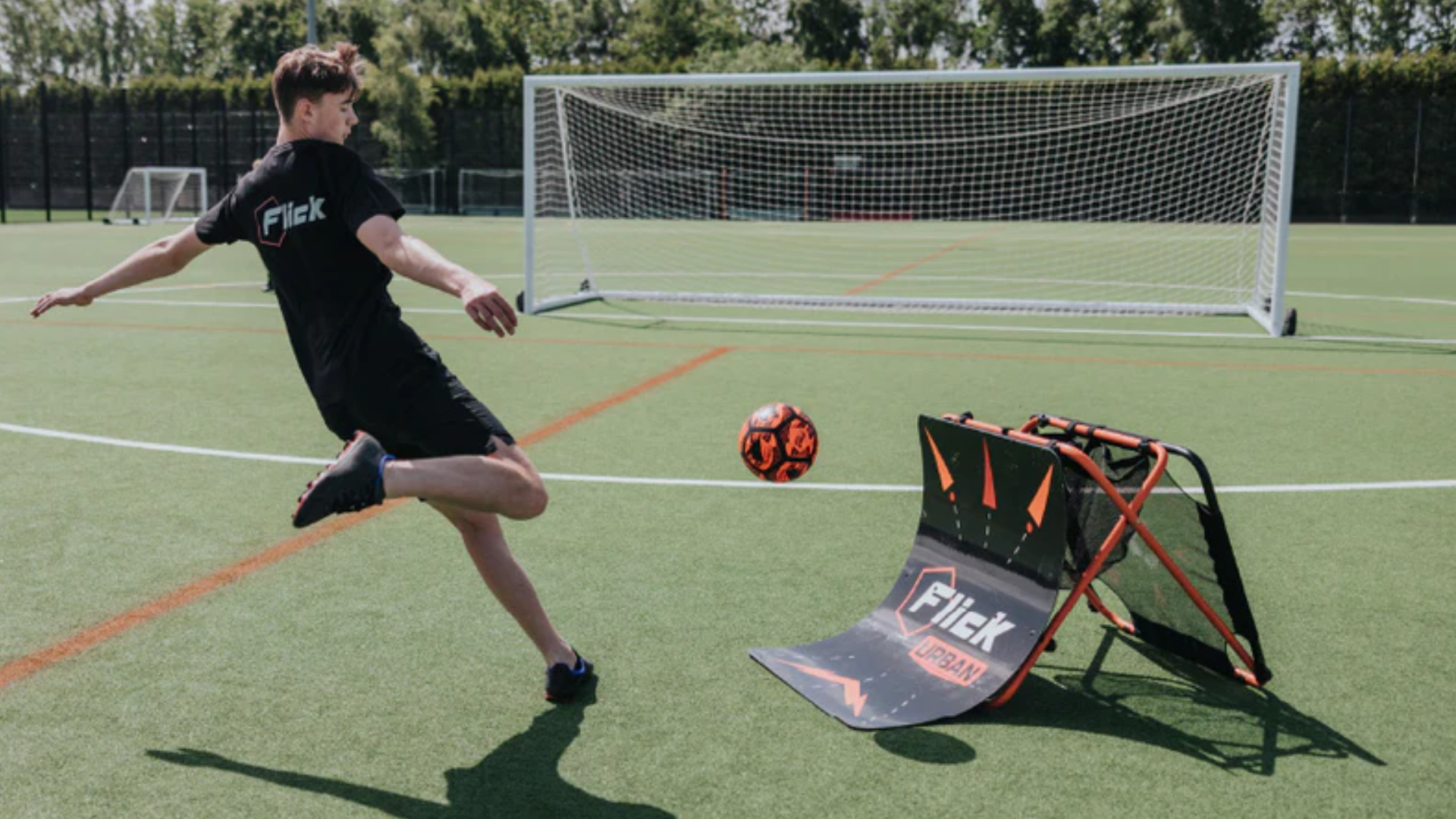
Image 1 - Football Flick

Research before design

Understanding your audience, market and competitors comes first, so design decisions have somewhere to stand. We look at the environment a product will actually be used in and the challenges specific to your product design journey, so every direction we explore is grounded in how the product will really be used.

How 4D approaches user-centred design

Three things shape how we build a product around the people who'll use it.

Involving real users at every stage

The best insight rarely comes from inside a design studio alone. On projects like Wavex FitDeck, we brought fitness instructors and youth leaders into the process from the brainstorming stage, using their day-to-day experience to shape what the product needed to do before a single sketch was drawn.

Testing with people outside the studio

A design only proves itself once real people try to use it. We build prototypes early and put them in front of real users, then refine the design based on what that testing actually shows, catching problems while they're still cheap to fix.

Mapping the whole user journey

We map the journey a user actually takes with a product, from first interaction through to daily use, to find the points where the experience needs work. That view keeps business value and usability aligned instead of trading one off against the other.

What our clients say

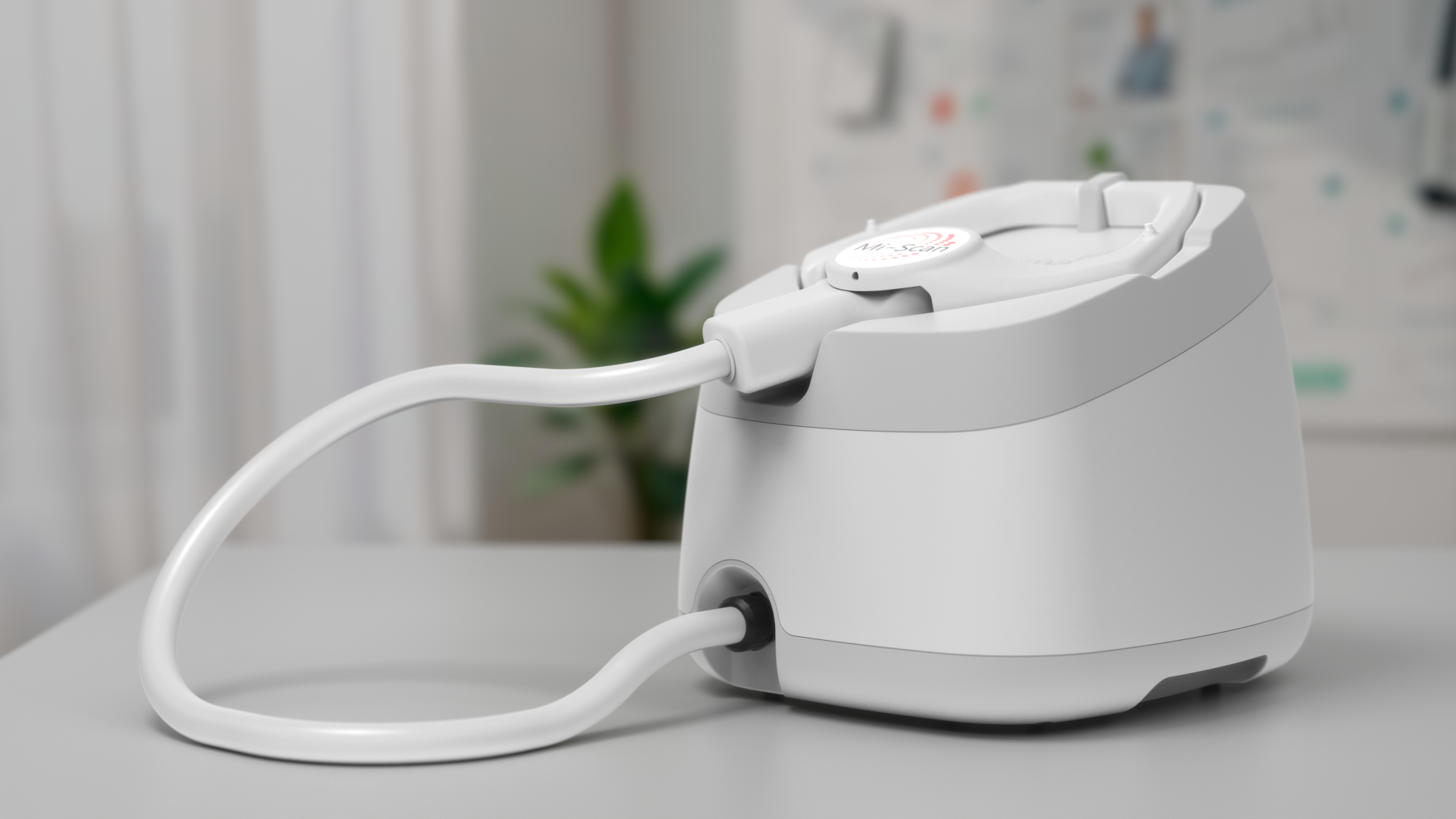
"In order to progress quickly to clinical trials on Mi-Scan, we required a compliant internal chassis and outer enclosure solution.

4D Products enabled first prototypes within 12 weeks of briefing. The process was efficient and enjoyable and we are delighted to have our technology out for clinical trials."
Leigh Cornock
Chief Technical Officer at Micrima

User-centred design in practice

Three products shaped by real research and real testing.
iControl needed a football skills trainer that could work in the small gardens and limited spaces most players actually have at home. We built a modular, collapsible system with adjustable ramp geometry, so the same product could suit different skill levels and ages. It's gone on to sell in Argos, Amazon, JD Sports and Tesco, and is used by academies including Manchester City and Liverpool.
Wavex wanted a fitness system built around play and teamwork, breaking from traditional gym equipment. We started by working directly with fitness instructors and youth leaders to understand how games could be woven into exercise, then built interlocking tiles and accessories with distinct textures and colours to guide movement. Prototypes were tested in real fitness classes, which led to specific changes in size, grip and modularity to keep sessions safe and engaging.
A smart kitchen scale for fitness enthusiasts, dieters and diabetics needed to house a camera lens, load cells and electronics while staying genuinely easy to use. We explored several configurations of the camera arm and user interaction points before settling on a direction, then used prototyping to test and refine usability alongside manufacturability. The result is a fully functional prototype demonstrating the design in practice.
To talk through how user-centred design could shape your product, get in touch with our team, or learn more about us, our team and our values.

The expertise behind our user-centred design work

User-centred design draws on the rest of our product development work. The same in-house team covers:
We apply this across the sectors we work in, from industrial and medical to sports and fitness and consumer products.

User-centred design FAQs

How do you gather user feedback during the design process?

Through usability testing with real users at multiple stages of the process. That feedback shapes refinements as the design develops, keeping the product built around genuine user response.

What research methods do you use to understand users and the market?

We analyse market trends and competitor products to identify opportunities, and where a project needs it, we run user interviews and surveys to gather insight directly from the people who'll use the product. Combining market analysis with direct user research gives us a grounded picture to design against.

Can you show examples of this approach working?

Yes, see the case studies above. Football Flick and Wavex FitDeck both show the process end to end, from research with real users through to a commercially successful product.

How do you keep the process cost-effective?

By testing early. Selecting the right materials and designing for manufacture from the start keeps production costs down, and catching usability or manufacturing issues in a prototype is far cheaper than discovering them after tooling.

Does user-centred design apply to technical or regulated products too?

Yes. Usability matters just as much when a product has to meet a technical standard or regulatory requirement, sometimes more, since the people using it may be under pressure or working in a clinical setting. Medisyne's INFLUx is a direct example: an automated urine monitoring device built for hospitals during the COVID-19 pandemic, taken from concept to deployment in weeks. Real-time feedback from healthcare professionals shaped the design throughout, with intuitive usability, robust construction and easy cleaning treated as essential requirements for busy hospital environments from the very start of the brief.