Design for Manufacture

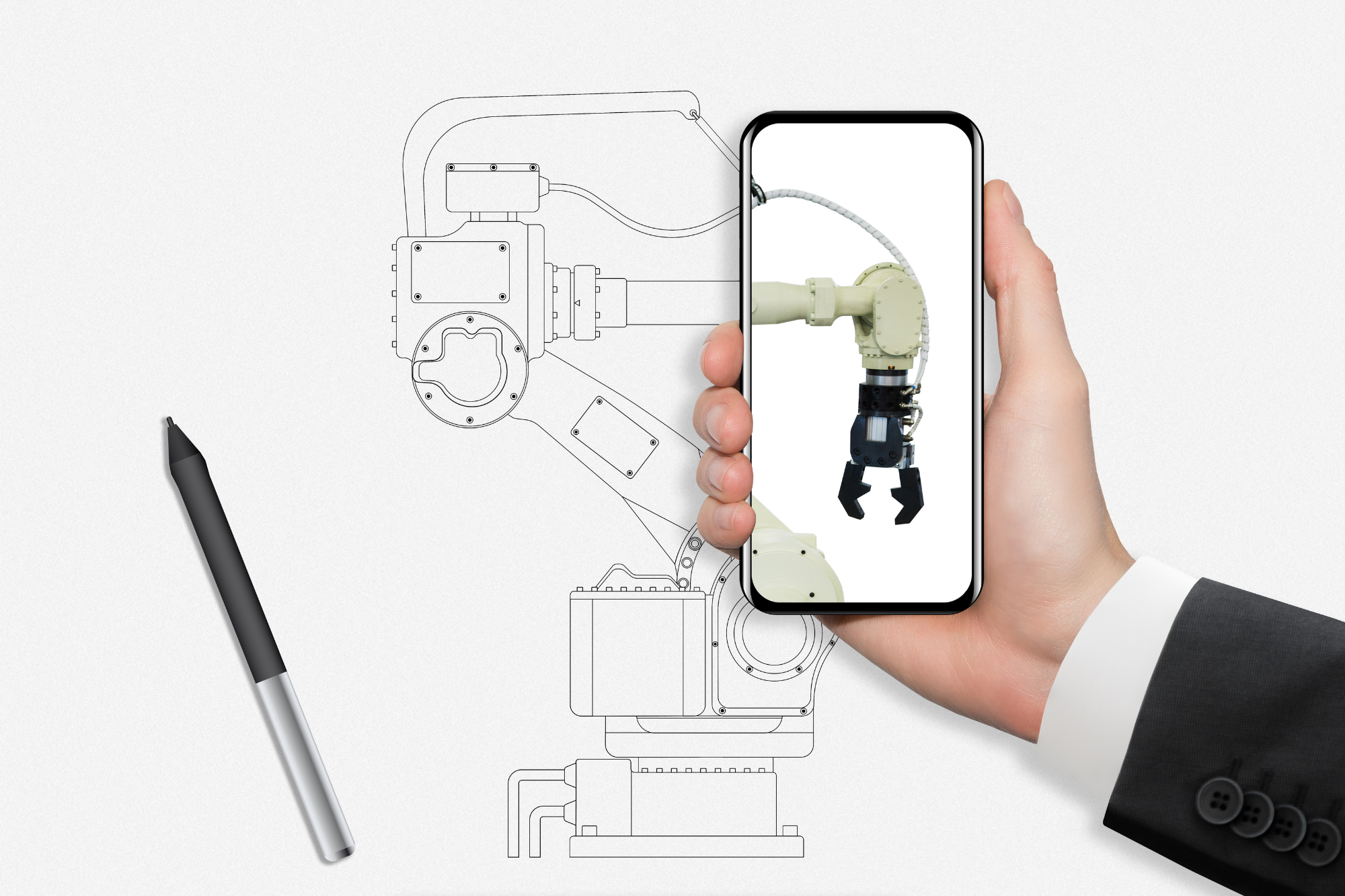
Design for manufacture is the difference between a product that looks right on screen and one that can actually be built at the cost, quality and volume you need. We build manufacturability into the design process from the first CAD model, so the decisions that determine cost and production risk get made while they're still cheap to change.

Book a call with one of our design engineers to talk through your product.
Let's get talking
DESIGN FOR MANUFACTURE

Why design for manufacture happens early, not at handover

Every component in a design carries a cost, and that cost isn't just the part itself. It's the tooling, the assembly time, and the risk of something not fitting together the way it did on screen. We weigh the value each component brings against what it costs to manufacture and how complex it is to produce, so a custom part only gets specified when it earns its place over a standard one.

That evaluation is where most of the cost efficiency in a design gets decided. Catching a manufacturing problem in CAD costs a design revision; catching the same problem after tooling has started costs the tooling itself, the delay, and the redesign that follows. Working through those trade-offs early is how we avoid the unexpected costs that come from manufacturing hiccups discovered too late to fix cheaply.

How 4D approaches design for manufacture

Manufacturability touches every decision in a design, from the material a part is made from to how it gets assembled and how it moves from prototype to production line. Three things shape how we handle it.

Material and process chosen for the part, not by default

We choose materials and manufacturing processes based on what a specific part actually needs to do. That means weighing how easily a material machines, how it finishes, and how it combines with the parts around it, so the result works properly with processes like injection moulding and casting rather than fighting against them. That deliberate choice is what keeps a part dimensionally stable and looking right.

Standardisation and simplification for assembly

Wherever a design can use standard parts or simpler assembly instead of custom, bespoke solutions, we build the case for doing so. Standardisation and design simplification make a product easier and cheaper to assemble, without making it worse. Both translate into faster production times and a product that's high-quality without breaking the price point it needs to hit.

Built for the transition into tooling

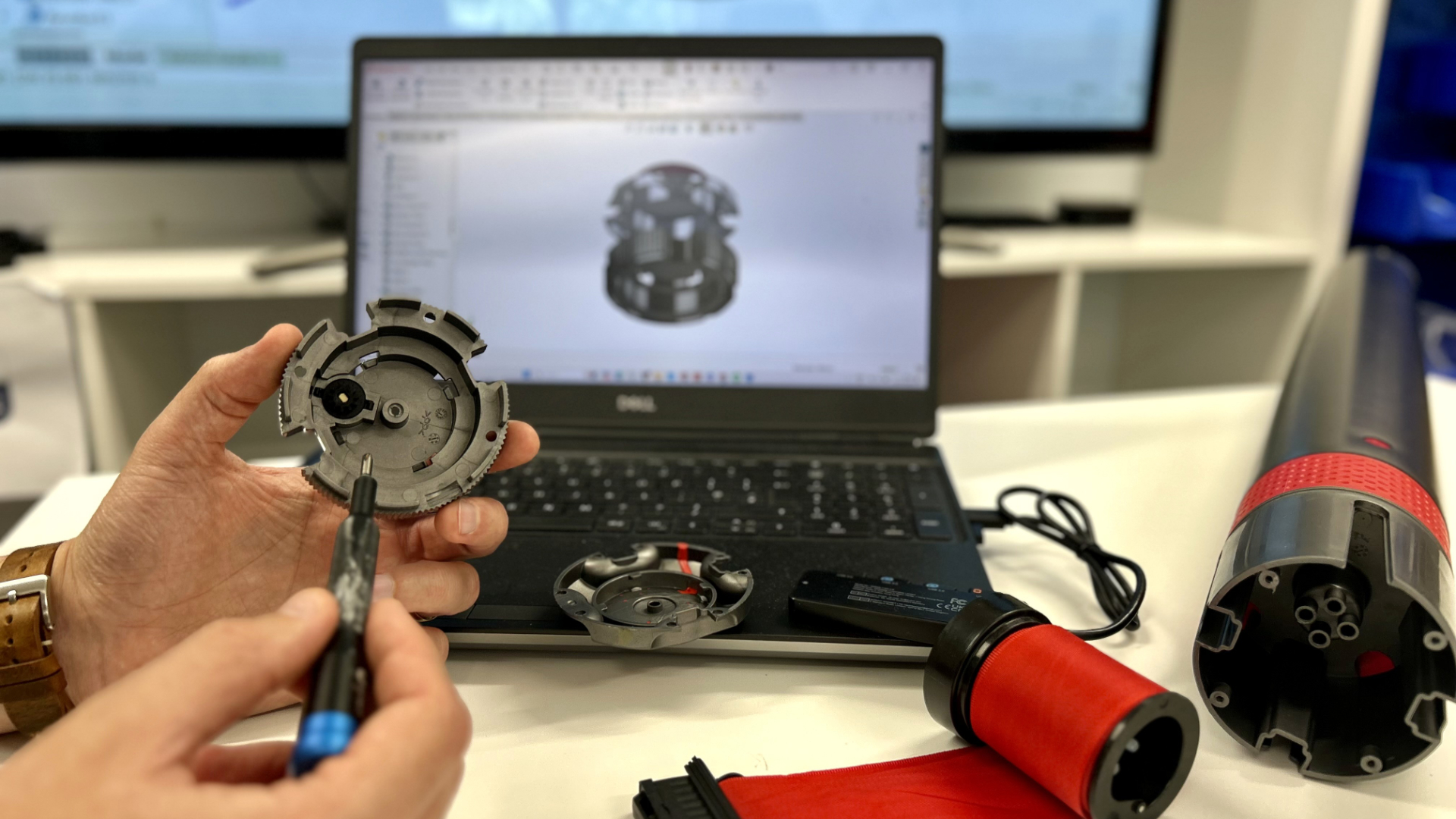
Prototype-to-tooling is where designs most often hit unexpected problems, so we plan for it from the prototype stage: material flow, tool design and assembly worked out while the prototype is still being built, with manufacturers involved early enough to catch issues before they're real ones. Tolerances and production-ready features get built in at that stage.

The same thinking applies to scale. A design built for its production volume from the start moves into mass production without a rebuild, the difference between a smooth ramp-up and an unbudgeted second development cycle.
What our clients say

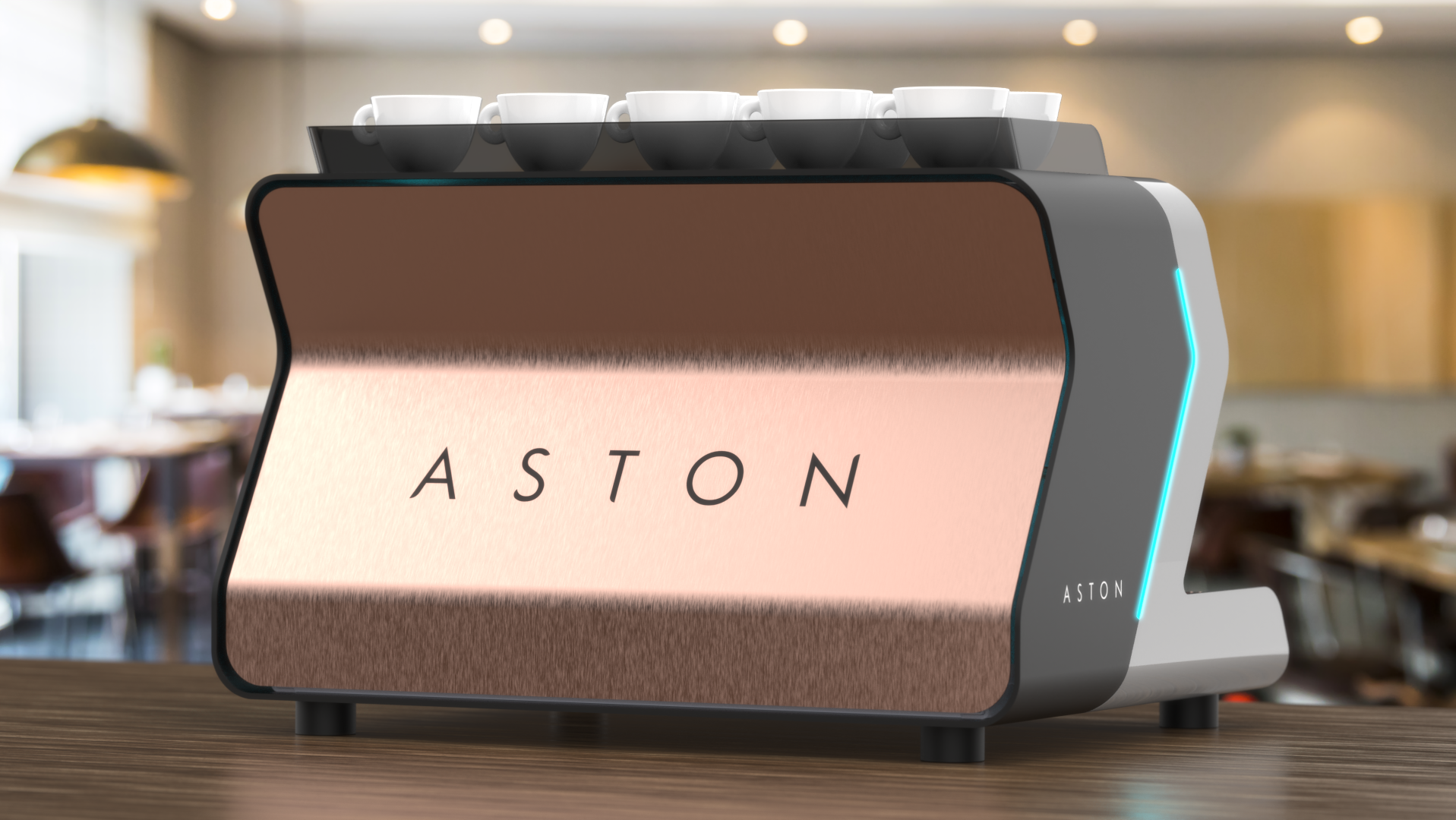
"We chose 4D Products for our revolutionary Aston Espresso machine for their exceptional team and capabilities.

4D's efficient process from the kickoff was remarkable. Their swift delivery of a concept package, market analysis, and sketches allowed us to quickly progress.

The team’s ability to refine designs, create 3D models, and collaborate closely with our team was instrumental in developing the first concept model. A true testament to their dedication and understanding of our needs."
Adrian Maxwell
Fracino - Managing Director

Design for manufacture in practice

Three products where a real manufacturing trade-off got resolved before it became a production problem.
A rugged enclosure for a portable video monitoring device built to survive harsh outdoor conditions. We tested materials before settling on injection moulding and metal, then worked through the harder constraints together: waterproofing, insect-proofing, airflow for cooling complex internal electronics, and easier lid access, all while reducing cost per unit. The client reports a 50% cut in enclosure manufacturing costs.
A design to carry the Aston espresso machine into new international markets, on a three-month deadline into the HOST exhibition in Milan. We delivered a concept package, market analysis and sketches fast enough to hold the timeline, then took the design through refinement, 3D modelling and rapid prototyping. Managing Director Adrian Maxwell credited the process with getting a finished concept model ready for Milan.
An electronics enclosure housing a circuit board, fan, displays and multiple I/O, with heat management, isolation and snap-fit assembly for efficient production, and a front panel customisable across variants. Delivered to exhibition deadlines, the work led Invertek to commission three further products with us.
To talk through what design for manufacture could do for your product, get in touch with our team, or learn more about us, our team and our values.

The expertise behind our design for manufacture work

Design for manufacture draws on the rest of our product development work. The same in-house team covers:
We apply this across the sectors we work in, from industrial and medical to sports and fitness and consumer products.

Talk to us about your product

If you need a design that will hold up on the factory floor, we can help. Book a call with one of our design engineers to talk through your product and where design for manufacture will have the most impact.
ar

Design for manufacture FAQs

How early should design for manufacture start?

From the first model, not after a concept is signed off. Decisions made early, material choice, part count, assembly method, are the cheapest ones to change. The same decisions made after tooling has started are the most expensive, because changing them means changing the tooling too.

Can you apply DFM to a design we already have?

Yes. We can review an existing design against manufacturability, flag where cost, complexity or assembly issues are likely to appear, and work through those before it goes to a manufacturer. You don't need to start from a blank page for design for manufacture to be worth doing.

How do you choose between manufacturing processes?

By what the part actually needs. Volume, material, tolerance and finish requirements shape whether a part suits injection moulding, casting, CNC machining or another process, and we weigh those factors against the product's cost and quality targets before recommending a route.

Does design for manufacture cost more upfront?

It costs time upfront. It doesn't necessarily cost more overall, once you weigh that against the price of discovering a manufacturing problem after tooling or during production. Working through manufacturability early is what avoids paying for the same decision twice.

Can you help at low volume as well as at scale?

Yes. The right process and the right level of design for manufacture depend on your production volume, and a design built for a 500-unit run looks different from one built for 50,000. We choose the approach to suit your numbers, whatever they are.